AHW7
AHW7: Enhanced overwinter stubble
£589.00
info Summary
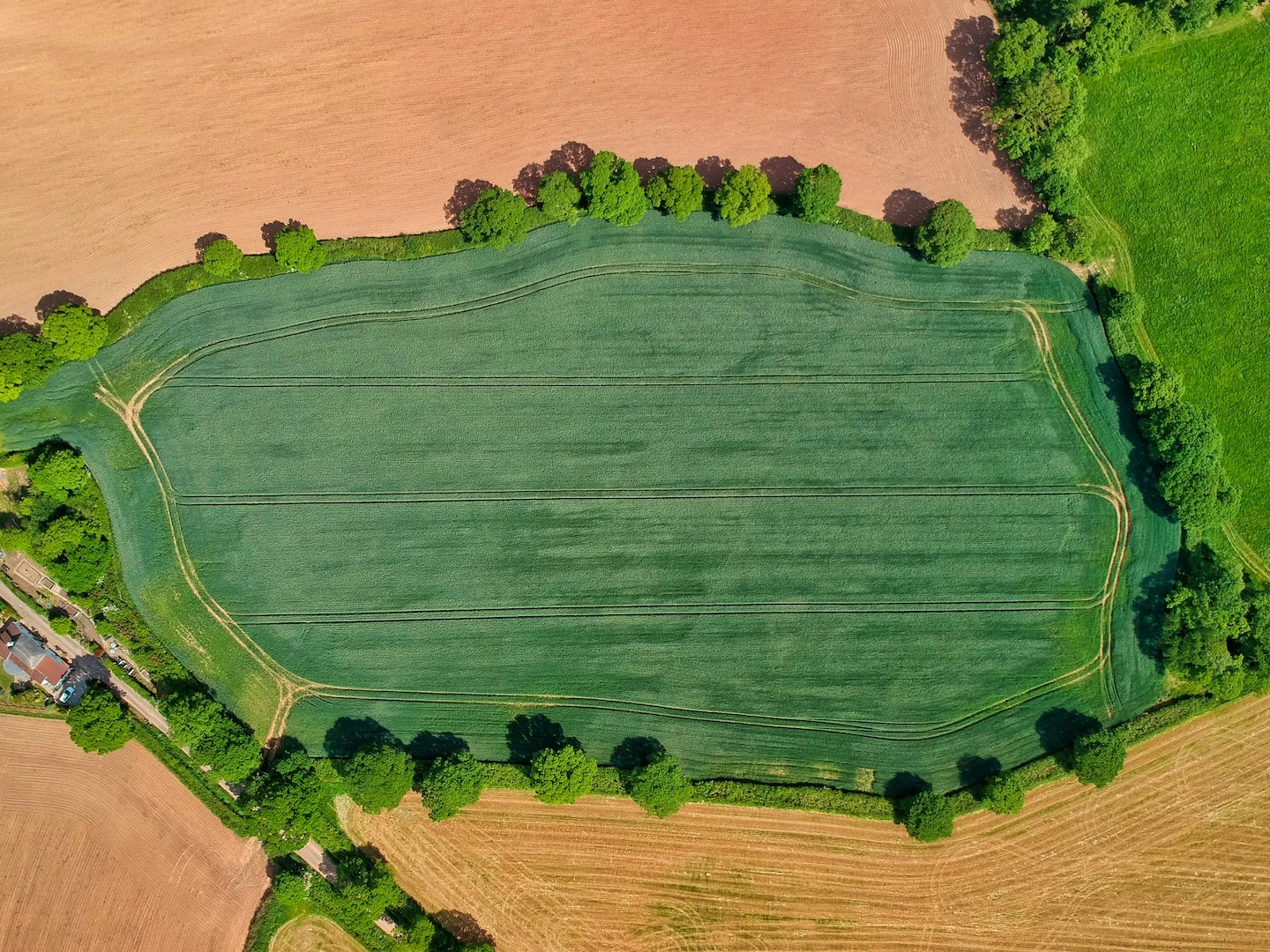
Leave the stubble from a cereal crop, oilseed rape or linseed after harvest until mid-summer of the following year to provide a winter food source and nesting habitat for farmland birds and other wildlife.
format_list_bulleted What to do
After harvest, leave stubble from a cereal, oilseed rape, or linseed crop until mid-summer of the following year. You must not use pre-harvest desiccants, top, graze, or apply fertilisers, manures, lime, or pesticides (with an exception for herbicides on grass weeds from mid-May).
schedule When to do
This action must be performed annually for 3 years. If starting late, you have up to 12 months to begin. In the final year, the action must be maintained until mid-summer or the agreement's end date.
checklist How to do
You must follow the action's requirements to achieve its aim, but the specific method is flexible.
description Evidence Required
You must keep written evidence that land entered into this action is not at risk of soil erosion or surface runoff. You can use the soil management plan produced for CSAM1 or SAM1 to identify this.
You must also keep evidence to show what you’ve done to complete this action, such as:
- field operations at a land parcel level and associated invoices
- photographs and other documentation
If it’s not clear that you’ve done this action in a way that could reasonably be expected to achieve its aim, we may ask for this evidence. You must supply the evidence if we ask for it.
tips_and_updates Additional Advice
Advice includes selecting suitable locations on heavier soils, linking habitats, and enhancing benefits by locating stubbles near other valuable habitats or using diverse crop mixes to support wildlife.
View Official Guidelines
Access detailed information about this action on the RPA website
SFI 2026 Announcement
Read details about SFI 2026 changes, definitions, and what to expect on the Defra farming blog