Good evidence is not just something you take when an inspector turns up. It is the record of what you have done on the land over time, tied to actual activities and decisions. The Rural Payments Agency (RPA) will ask for evidence to check compliance with both Sustainable Farming Incentive (SFI) and Countryside Stewardship (CS) agreements. Inspectors check whether what you have done could reasonably be expected to achieve the aim of the action you declared.
This guide explains what inspectors look for, what good evidence actually looks like, and the practical steps you can take to build strong evidence consistently, not just when the inspection notice arrives.
Why good evidence matters
Whether you are preparing an Annual Declaration or expecting a site visit, clear evidence is essential. If you cannot show robust records, the RPA may delay payments or ask for further checks. Evidence needs to show what you did, where you did it, when you did it, and how it met the aim of the action you declared.
A single photo taken at the end of the year is rarely enough. Evidence must be consistent, tied to specific activities, and support your claims both in remote monitoring and on-farm checks.
What inspectors may check
Under SFI, the RPA can check compliance through:
- Administrative checks, including the quality of evidence you supply
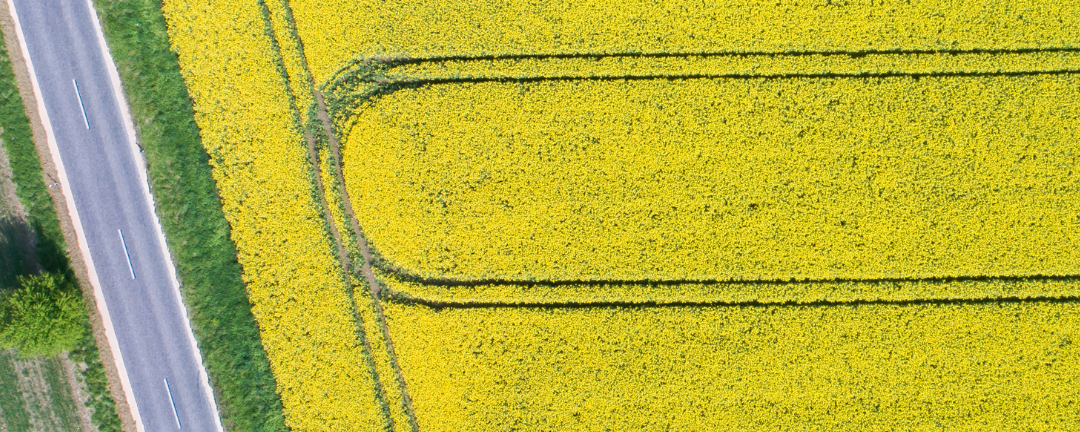
- Remote monitoring, using satellite imagery and aerial photos
- Physical site visits to the farm
- Virtual site visits via video call or remote observation
For CS agreements, site visits can be arranged at short notice to verify you have completed actions in a way that meets the scheme standards.
In both schemes, evidence may be requested after desk checks or in relation to your Annual Declaration.
What good evidence looks like
1. Mapped and location-specific data
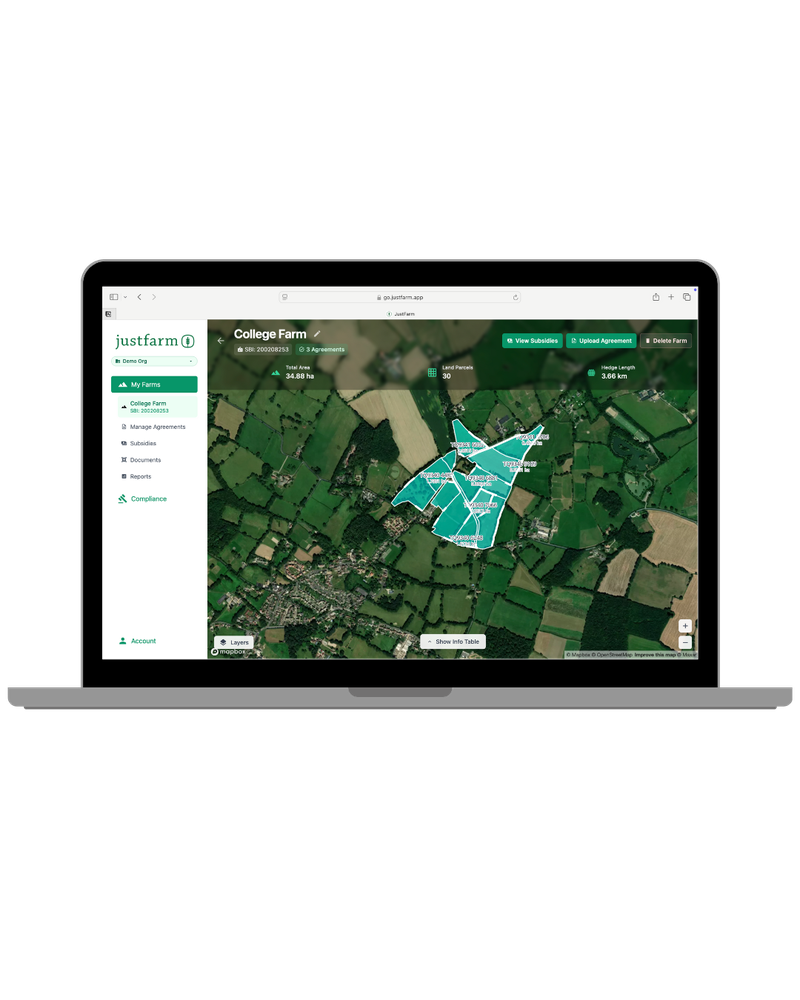
Evidence should be tied to the specific parcel where the action was declared. This means clear field boundaries on maps and records that show where on the farm the action was carried out.
Accurate maps reduce confusion and help inspectors match evidence to what was claimed. Many issues arise when mapping errors lead to mismatches between declared actions and what is visible on remote imagery.
Good evidence examples:
- Field maps with clear boundaries
- GPS-tagged photos showing exactly where an action was carried out
How JustFarm helps: JustFarm automatically links every action, photo and record to the correct land parcel, so evidence is always location-specific without any extra mapping admin.
2. Dated photos covering multiple stages
Photographs are a core part of evidence but only if they show progress over time. Taking photos at one point is not enough.
Inspectors want to see how plots change through the season, particularly for actions that aren’t permanent crops.
Good evidence examples:
- Photos at establishment, mid-season and final growth stages
- Geo-tagged images with time and date stamps
- Close-ups of features such as buffer strips, pollinator areas or vegetation heights
Take multiple photos throughout the year, not just when you think an inspector will come.
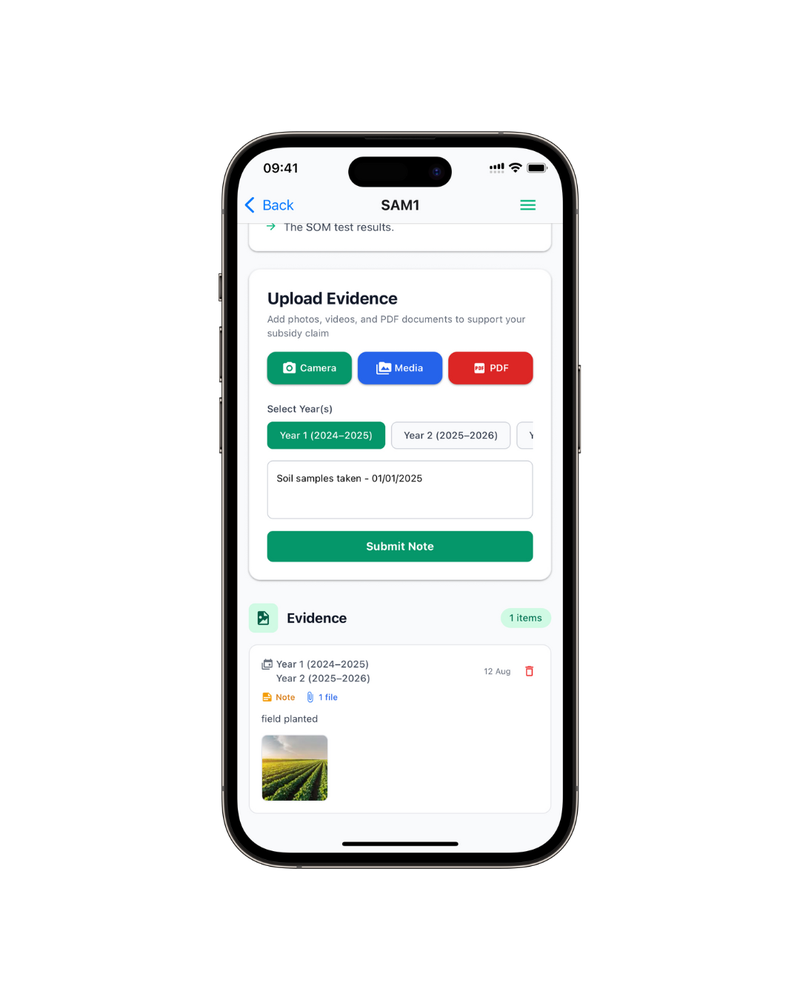
How JustFarm helps: Photos uploaded to JustFarm are automatically dated, stored against the right field and action, and build a seasonal record without farmers having to rename files or remember where they saved them.
3. Detailed field records and logs
Written records should explain what you did, when and why.
Field books, notebooks, or digital logs that tie actions to specific dates make a big difference. They show how on-farm decisions support scheme claims.
Good evidence examples:
- Field operation logs with dates and details
- Notes explaining weather impacts or management adjustments
- Action planning documents with timelines
These are especially useful where remote sensing does not show certain management actions clearly.
How JustFarm helps: JustFarm lets you add quick field notes as you go, tied directly to the action, so decision-making is captured naturally rather than reconstructed months later.
4. Receipts, invoices and technical data
Where actions require specific inputs or expert plans, documented evidence is essential.
You should keep receipts, invoices, soil tests and any other material that shows you carried out the work claimed.
Good evidence examples:
- Seed or fertiliser purchase receipts
- Soil analysis results
- Invoices for contractor work
These help prove that you carried out actions in line with scheme requirements and at the appropriate time.
How JustFarm helps: JustFarm stores documents alongside the action they support, so invoices and test results are easy to find and clearly connected to what inspectors are checking.
5. Management plans and assessments
Some SFI and CS actions require plans or assessments as part of compliance. Inspectors will ask to see these to check that you followed the guidance in the scheme rules.
Good evidence examples:
- Nutrient or soil management plans
- Habitat or conservation plans
- Pest and weed management strategies
These documents show you have thought through how to deliver the action, not just completed tasks mechanically.
How JustFarm helps: JustFarm keeps required plans attached to the right actions and highlights when updates are needed, removing the risk of missing or outdated paperwork.
How to organise evidence so it holds up in an inspection
This is where many farms struggle, and where JustFarm makes the biggest difference.
Inspectors want evidence that is:
- Easy to follow
- Clearly linked to actions
- Built over time
- Quickly accessible when requested
JustFarm is designed around this reality.
Using the platform:
- Evidence is organised by field and action automatically
- Photos, notes and documents are stored together
- You can see at a glance what evidence exists and what is missing
- Records are built gradually through the year, not rushed before deadlines
- Reminders prompt you when actions and declarations are coming up
Instead of asking “where is that photo” or “did we record that”, everything is already there, inspection-ready.
What kind of evidence is NOT enough
Many farmers assume a single photo or a memory of what was done will be enough. It is not.
For example:
- One photo at a random date does not show ongoing compliance
- Notes without dates or location specifics are weak
- Invoices without context do not tie activity to a parcel or action
- Evidence compiled after an inspection notice arrives can appear reactive rather than planned
Good evidence makes it clear that compliance was part of your farming routine, not an afterthought.
What happens in a site visit
In a site visit, RPA Field Officers check that:
- SFI or CS actions have been completed
- Actions meet the scheme’s aims
- Records, invoices and other evidence are available
- Land cover and details on digital maps match what you declared
They will usually let you know of a planned visit in advance, but if there are serious concerns they may attend with limited notice. Good evidence makes these visits smoother and more efficient.
Can remote monitoring replace physical evidence?
The RPA also uses satellite imagery and aerial photography to monitor vegetation, land cover and environmental conditions year round. This can identify issues that might not be visible in paperwork alone.
Remote monitoring does not replace the need for strong evidence. It often triggers follow-ups where stronger proof is needed to explain what has happened on the ground.
Final thought
Strong SFI and CS evidence is not about box-ticking. It is about telling the story of how your farm is delivering what it signed up to do.
Prepared farms collect evidence as they farm, not as they panic. Tools like JustFarm exist to make that the default, not the exception.