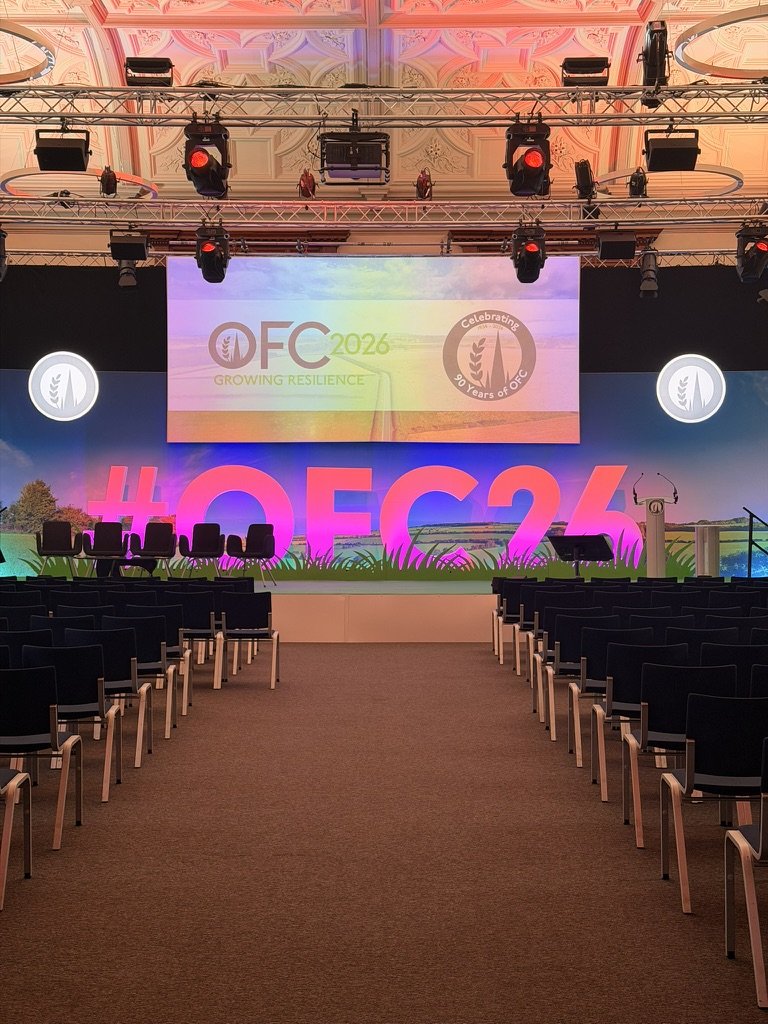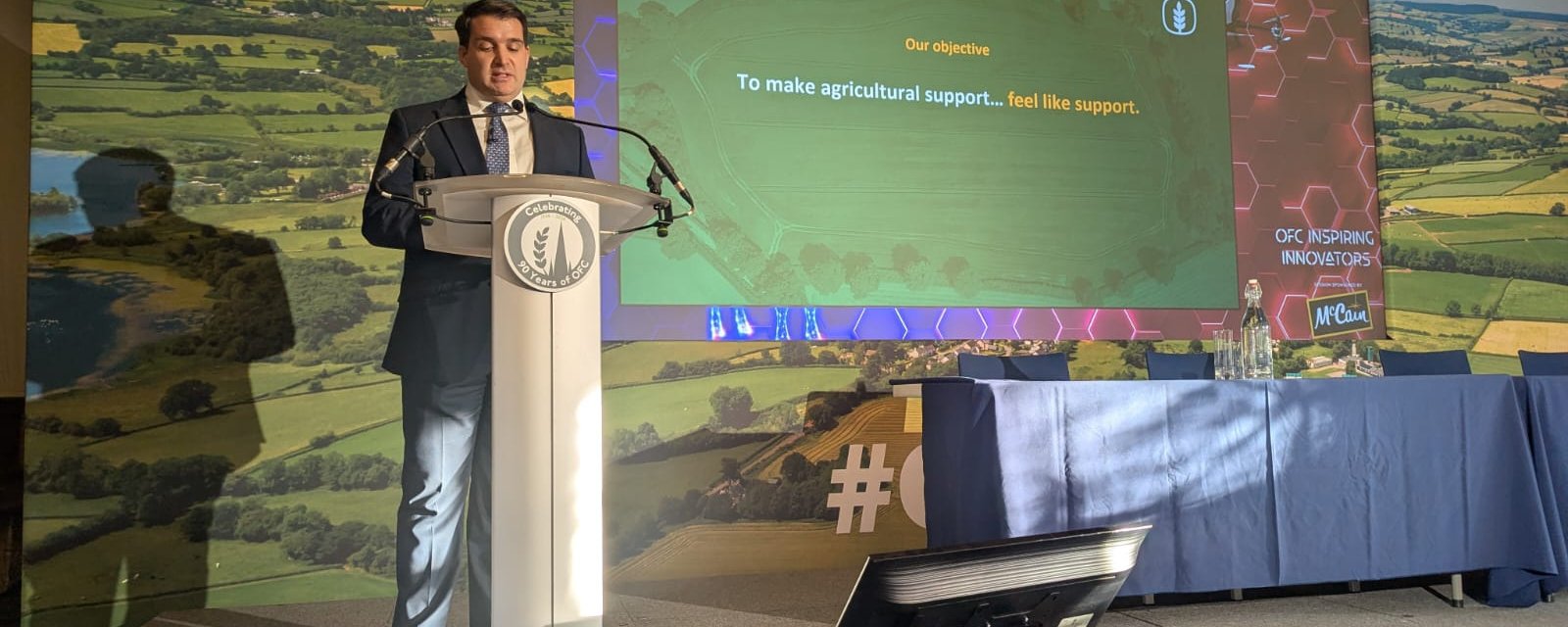
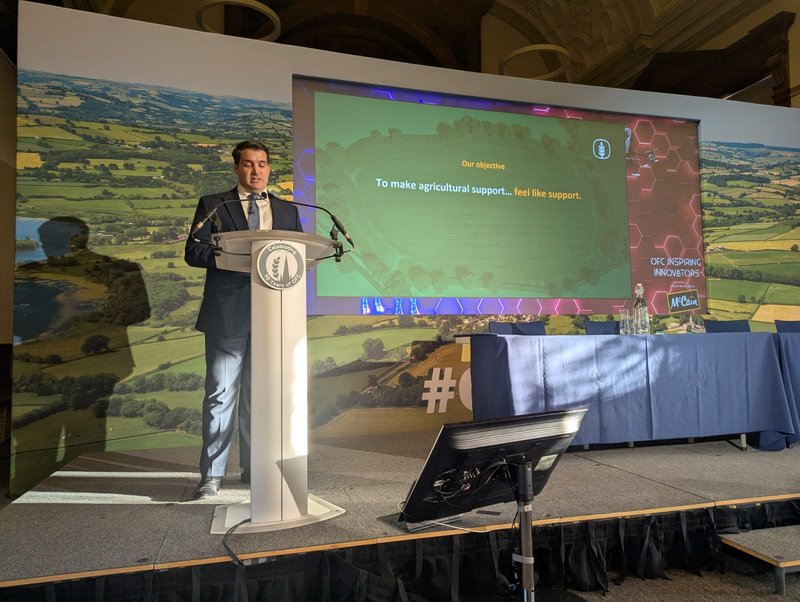
This year’s Oxford Farming Conference was a busy, inspiring few days. It was a privilege to be there, to speak at the Inspiring Innovators session and to hear directly from policymakers, farmers and thought leaders about the challenges and opportunities ahead. For me, it was about connecting with the wider industry, learning from others, and thinking deeply about where UK farming is headed in the next decade.
Day 1 – Inspiring Innovators and new ideas
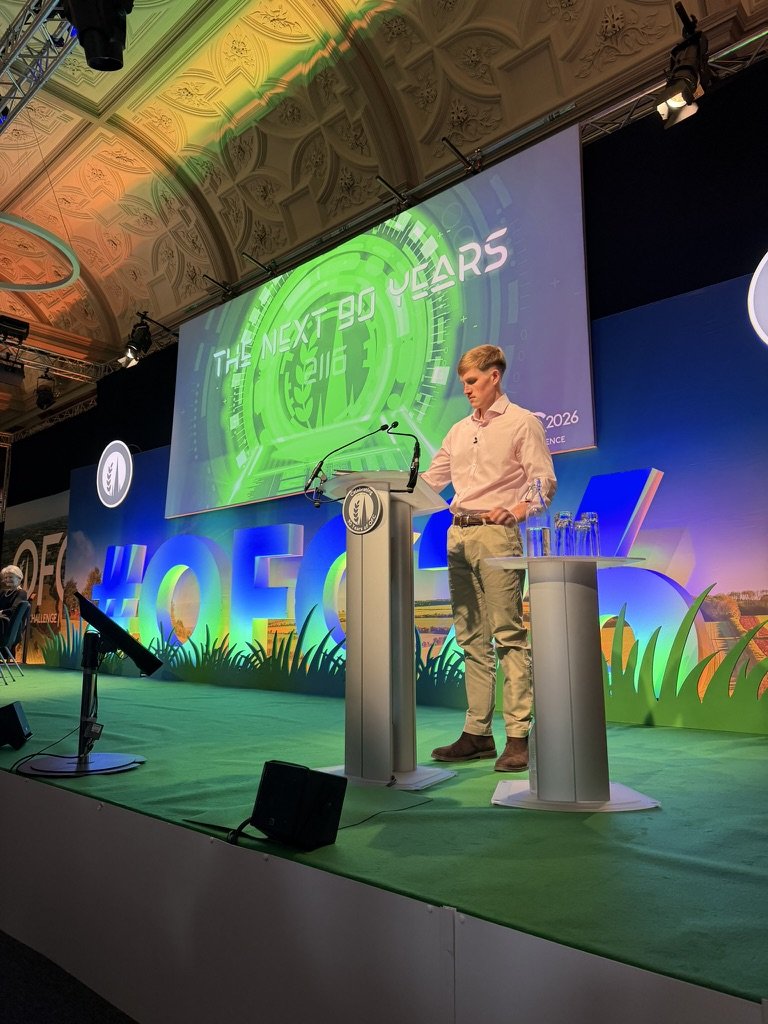
The first day started with the Inspiring Innovators session, one of the highlights of the conference for me. I had the chance to speak about JustFarm, sharing our journey in making scheme rules more accessible to farmers. It was exciting to be on stage alongside people developing real solutions for farming.
Being around inspiring, like-minded people at the Inspiring Innovators session was refreshing and energising. Isaac Orr from Pneumonitor showcased an in-pen sensor preventing calf pneumonia, Helen Wyman from Twocan Mentor highlighted structured mentoring networks to build leadership and collaboration, and Tom McVeigh from Copperfield Enterprises presented hazelnuts as a high-value, resilient UK crop. Seeing these practical, grounded solutions reminded me why innovation only matters when it truly helps farmers in their day-to-day work.
The energy in the room was contagious. Everyone there was focused on solving real problems, whether through technology, crops, or people, and it was motivating to be surrounded by people so committed to making farming better, safer, and more resilient.
After the presentations, the Chair’s welcome reception was a chance to meet farmers, advisers, researchers and suppliers from across the sector. The conversations were honest, practical and full of energy, a real reminder that farming thrives when people talk to each other, share experiences and help solve problems together.
Even in the first afternoon it was clear that the appetite for innovation is strong, not just in robotics and data, but in every part of the system that makes farming viable and sustainable.
Day 2 – Politics, policy and the future of farming
Morning – Farm Profitability, SFI and politics
Day two began with the Farm Profitability Review, presented by Baroness Minette Batters. The review’s message hit home: farming will only prosper if everyone across the industry works together to solve the biggest challenges, profitability, environmental delivery and practical policy. Her closing call to action – “There are a lot of industry experts in this room who can make this happen. Please. Make it happen.” – stayed with me all day. A good review of this session can be found in the wider press.
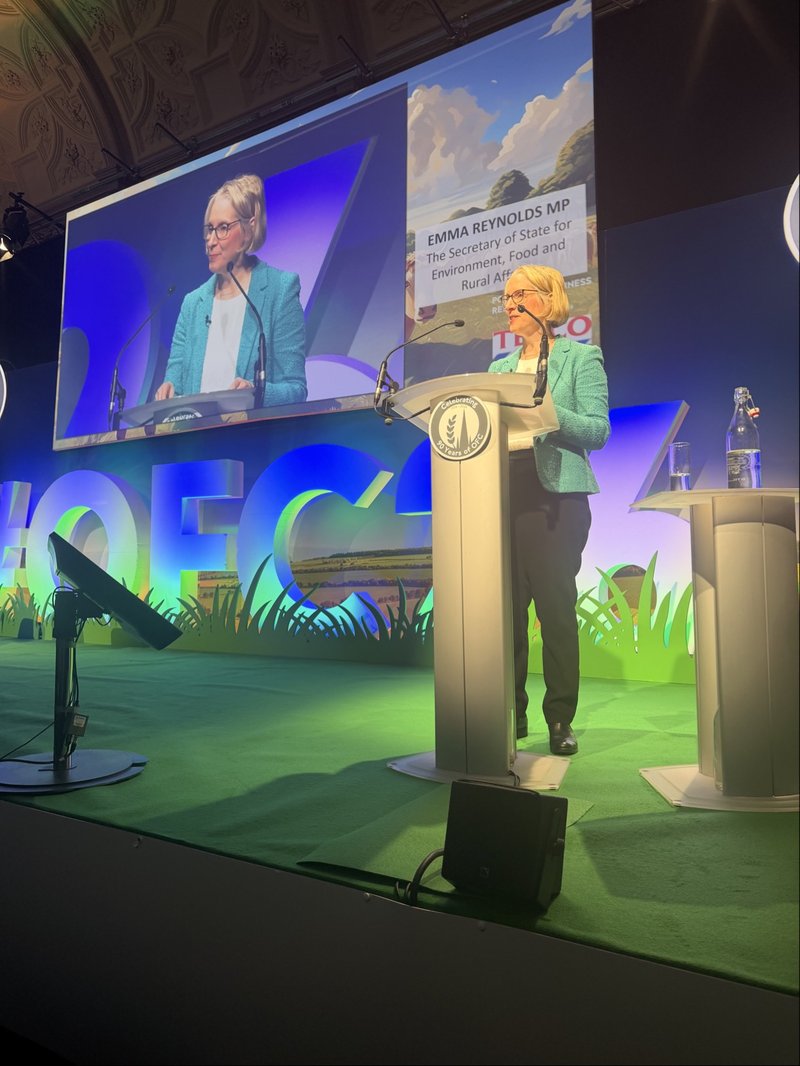
Next was the Politics session, and this was the day’s newsmaker. Environment Secretary Emma Reynolds outlined Defra’s vision for farming in 2026 and beyond, including key reforms to the Sustainable Farming Incentive:
- A two‑window approach for SFI 2026 – the first opening from June, prioritising smaller farms and those without existing agreements, and a second window in September open to all.
- A commitment to a simplified, fairer scheme with clearer timelines, budgets and stability so farmers can plan with confidence.
- New structures to ensure farmer voice at the table as policy develops moving forward.
It was one of the most substantial SFI updates we’ve seen in years. The idea of prioritising small farms first – with suggested definitions around 50ha – was raised in questions, though no formal figure was confirmed yet. Farmers heard that this was a deliberate attempt to spread opportunity more fairly than in past scheme rounds.
All of this underscores a central theme from the week: SFI 2026 rewards prepared farms. The more ready you are before June, the more likely you are to get your plan in early and secure the actions you need.
Afternoon – broadening the conversation
The afternoon sessions looked to the broader future: population projections, changing food demand by 2050, and how UK farming must shift from a mindset of more food to better food. That ties directly into the quality we produce here in the UK and the premium environmental standards we can champion.
There was a big focus on changing the narrative about farming. With public perception often skewed negative, the industry needs to tell its story better, not with defensive slogans, but by showing real commitment to climate, nature and community outcomes.
It was also clear that technology and AI, while still emerging compared with other sectors, are at a tipping point. Data, interpretation and digital workflows are not optional extras anymore, they are going to be core to how farms compete and comply in the next decade.
Evening – Oxford Union debate
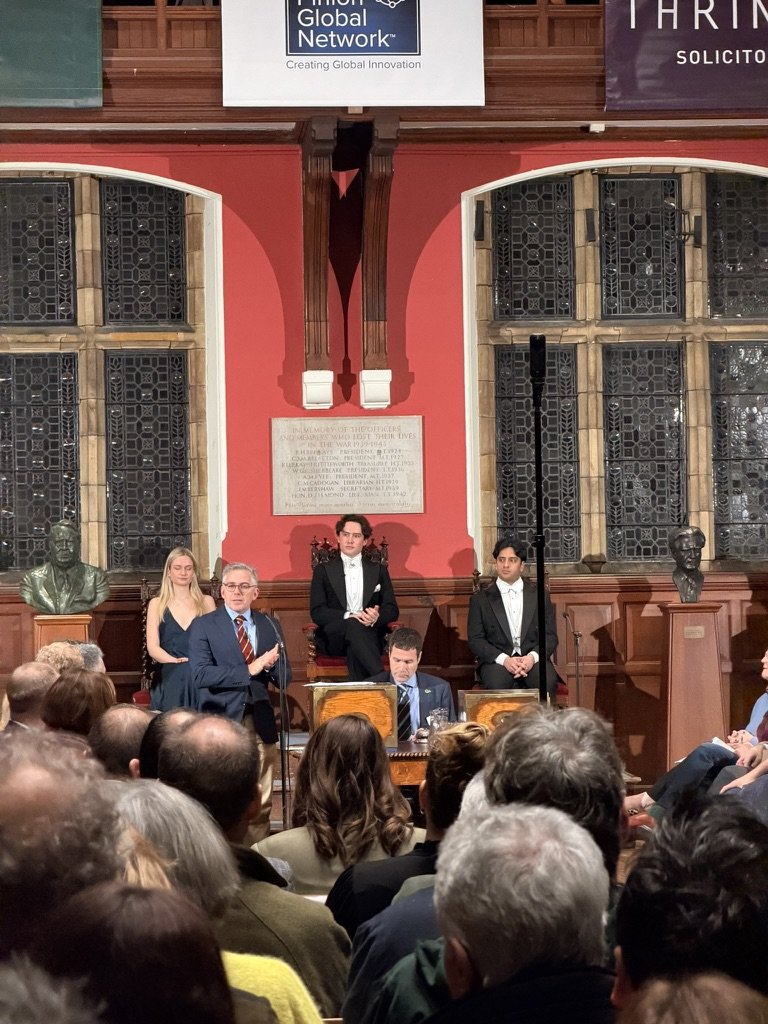
The evening moved to the Oxford Union for a spirited debate on the motion: “This house believes that in the next 90 years farming will be a one‑day‑a‑week job.”
The argument from Elliott Grant and Kate Russell leaned into future efficiency gains: automation, robotics, AI and new technology could massively lift output with less day‑to‑day human hours. The opposing case – that farming, especially livestock work, never takes a day off – resonated strongly with many in the room. After robust audience contributions, the motion was ultimately defeated.
As much as we all recognise technology’s power to help, farming will continue to require dedication and presence, human decision making remains central to everything we do.
Day 3 – Stories, people and the path ahead
Final day brought a mix of powerful personal stories and visionary talks.
The morning focused on “Growing Farmers”, how we bring more people into the industry, support them, and ensure farming remains a viable, attractive career. That’s about training, mentoring, mentoring networks and real pathways for new entrants, not just lip service. Supporting bursaries and the Inspire Programme at OFC26 reflected that commitment to new voices in agriculture.
The afternoon’s highlight for me was Tom York’s talk, a raw and honest look at resilience, perseverance and showing up even when things get tough. It was the sort of message that resonates beyond farming, but it felt especially pertinent here, where resilience is part of everyday life.
The conference closed with Dame Fiona Reynolds reflecting on her 40‑year journey championing the countryside and how collaboration, courage and clarity will help shape the next chapter for farming. The baton passed to Sheena Horner, next year’s chair, whose passion for innovation and community stood out.
What made OFC26 meaningful
Across all three days, the themes that stuck with me were:
- Hope not panic – despite the challenges, there was overwhelming positivity about what’s possible next decade.
- Collaboration over conflict – from plenary debates to one‑to‑ones, farmers want to work together and with policymakers.
- Preparation is everything – especially for SFI 2026 and any scheme that ties environmental delivery to business viability.
What really made OFC26 meaningful was the sense of connection and conversation. Farmers, advisers, policymakers and innovators all came together in the same room, not to talk past each other, but to have open and honest discussions about the challenges and opportunities facing UK farming. It was inspiring to hear different perspectives, to see where priorities align, and to learn from people approaching problems in new ways. From technology that can improve welfare and productivity, to mentoring networks supporting the next generation, to policy debates shaping the future, the conference reminded me that progress comes when we share knowledge, listen to one another, and collaborate across the whole sector. Being part of those conversations – and seeing the passion and commitment in the room – is what made OFC26 so meaningful.
Final thoughts from the floor
Meeting people face‑to‑face was a reminder that farming is not defined by headlines or politics. It is defined by practical people, real farms and real decisions. The energy at OFC26 was positive, grounded and aspirational – not naive, but determined.
Farming families face financial, environmental and political challenges, but they also refuse to give up. They are ready to embrace opportunities, adapt to new realities and ensure the industry thrives for the next generation.
For me, the standout takeaway is this: prepared farms will be rewarded in SFI 2026 and beyond. And the conversations we had in Oxford reaffirmed why supporting that preparation – through tools like JustFarm – matters.
If you weren’t there this year, find a way to go next year. And if you were there and we didn’t get a chance to speak – reach out. There’s a lot of work ahead, but there’s also a lot of momentum now.